











admin

search engine optimization

Boost Your Business, SEO Strategies Unleashed

Boost Your Business, SEO Strategies Unleashed – In today’s digital landscape, Search Engine Optimization (SEO) is crucial for enhancing your company’s online presence and reaching new clients. By effectively leveraging SEO strategies, businesses can improve their visibility on search engines, attract more visitors, and convert them into loyal customers. This blog explores essential SEO techniques and how they can help your business thrive. Understanding SEO SEO is the process of optimizing your website to rank higher on search engine results pages (SERPs). When potential clients search for products or services related to your business, you want your website to appear at the top of their search results. This visibility increases the likelihood of attracting clicks and, ultimately, new customers. Key SEO Strategies 1. Keyword Research Keyword research is the foundation of any successful SEO strategy. It involves identifying the words and phrases that potential clients use when searching for products or services like yours. Tools like Google Keyword Planner, SEMrush, and Ahrefs can help you discover relevant keywords with high search volumes and low competition. Tips: 2. On-Page SEO On-page SEO involves optimizing individual web pages to rank higher and earn more relevant traffic. This includes both the content and the HTML source code of a page. Tips: 3. Technical SEO Technical SEO focuses on the backend of your website and ensures that search engines can easily crawl and index your site. Tips: 4. Link Building Link building is the process of acquiring hyperlinks from other websites to your own. These links act as votes of confidence, signaling to search engines that your content is valuable and trustworthy. Tips: 5. Local SEO For businesses with a physical location, local SEO is essential. It helps you attract customers from specific geographic areas. Tips: Enhancing Online Presence and Reaching New Clients 1. Content Marketing Content marketing complements SEO by providing valuable information that attracts and engages your audience. Blogs, videos, infographics, and social media posts can all drive traffic to your website. Tips: 2. Social Media Engagement Social media platforms are powerful tools for expanding your reach and connecting with potential clients. Tips: 3. Email Marketing Email marketing is an effective way to nurture leads and keep your audience informed about your products or services. Tips: Conclusion SEO is a vital component of any digital marketing strategy. By implementing effective SEO techniques, businesses can enhance their online presence, attract new clients, and achieve sustainable growth. From keyword research and on-page optimization to link building and local SEO, each strategy plays a crucial role in driving traffic and improving search engine rankings. Coupled with content marketing, social media engagement, and email marketing, SEO can help your business thrive in the competitive digital landscape. Start optimizing today and watch your online presence soar. Contact Us: Website:  – Click HereWhatsApp | Call: +254 743 149 267 | + 254 738 352 258Email Address: info@beseenlimited.com | sales@beseenlimited.comFollow our IG: @Beseenlimited
Read Full News
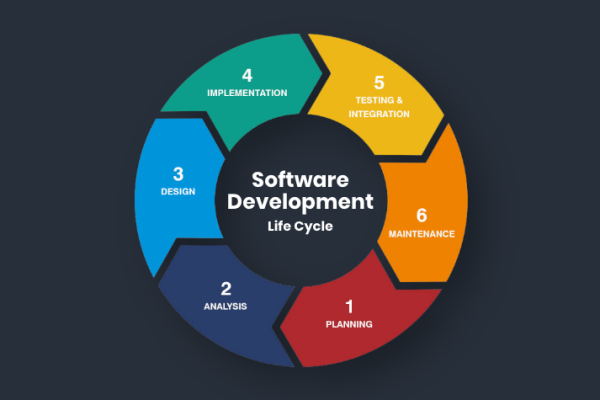
Software Development Stages

Stages of Software Development Guide

Stages of Software Development Guide – Software development is a complex process that involves a series of well-defined stages to ensure the creation of functional, efficient, and high-quality software. Each stage plays a crucial role in the overall success of the project. In this article, we will explore the various stages of software development, providing detailed explanations of each step. 1. Requirements Gathering and Analysis Purpose: The first stage of software development is to gather and analyze the requirements from stakeholders. This involves understanding the needs and expectations of the end-users and other stakeholders. Activities: Outcome: A comprehensive requirements specification document that serves as a blueprint for the development process. 2. Planning Purpose: The planning stage involves creating a roadmap for the development process. It includes defining the project scope, timelines, resources, and budget. Activities: Outcome: A well-defined project plan that guides the development process and helps in monitoring progress. 3. Design Purpose: The design stage focuses on creating the architecture and design of the software based on the requirements gathered. Activities: Outcome: Design documents and prototypes that provide a clear understanding of how the software will be built and how it will function. 4. Development (Coding) Purpose: The development stage involves writing the actual code to implement the software design. Activities: Outcome: A working software application that meets the design specifications and requirements. 5. Testing Purpose: The testing stage involves verifying and validating the software to ensure it meets the specified requirements and is free of defects. Activities: Outcome: A thoroughly tested software application with identified issues fixed, ensuring high quality and reliability. 6. Deployment Purpose: The deployment stage involves releasing the software to the production environment where end-users can start using it. Activities: Outcome: The software is successfully deployed and accessible to the intended users. 7. Maintenance Purpose: The maintenance stage involves providing ongoing support and making necessary updates to the software after deployment. Activities: Outcome: A well-maintained software application that remains functional, up-to-date, and efficient over time. Conclusion The stages of software development form a structured approach to creating high-quality software. From gathering requirements to maintaining the deployed software, each stage is crucial for the success of the project. By following these stages meticulously, development teams can ensure that they deliver software that meets user expectations, is reliable, and adds value to the organization. Contact Us: Website:  – Click HereWhatsApp | Call: +254 743 149 267 | + 254 738 352 258Email Address: info@beseenlimited.com | sales@beseenlimited.comFollow our IG: @Beseenlimited

Read Full News
Enhancing Businesses Online Presence Guide

Enhancing Businesses Online Presence Guide

Enhancing Businesses Online Presence Guide – In today’s digital age, having a strong online presence is crucial for any company’s success. An effective online presence not only enhances visibility but also plays a pivotal role in reaching and acquiring new clients. This article explores strategies for improving a company’s online presence, highlighting the benefits of good visibility, the importance of graphic design, and effective client acquisition techniques. The Advantages of a Strong Online Presence A robust online presence offers several key advantages: Strategies for Improving Online Presence The Role of Graphic Design in Online Presence Graphic design is a critical element in establishing a compelling online presence. Here’s how: Reaching and Acquiring New Clients Conclusion Improving a company’s online presence is a multifaceted endeavor that requires a strategic approach. By optimizing your website, engaging in effective SEO and content marketing, leveraging social media, and investing in high-quality graphic design, you can significantly enhance your visibility and attract new clients. A strong online presence not only boosts credibility and trust but also provides a competitive edge in today’s digital marketplace. Embrace these strategies to ensure your business thrives in the ever-evolving online landscape. Contact Be Seen LimitedWebsite:  – Click HereWhatsApp | Call: +254 743 149 267 | + 254 738 352 258Email Address: info@beseenlimited.com | sales@beseenlimited.comFollow our IG: @Beseenlimited

Read Full News
Software and Website Development

How to Create an Effective Company Website Guide

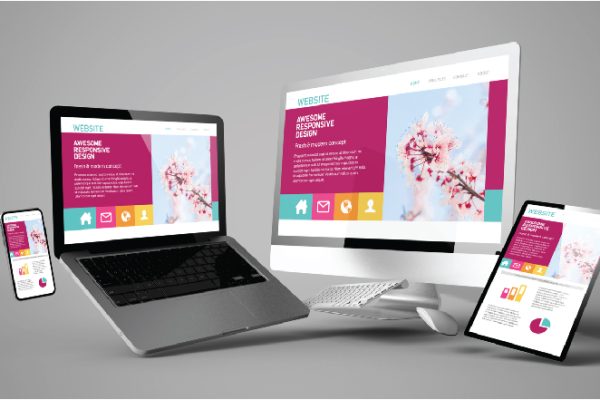
How to Create an Effective Company Website Guide – In today’s digital age, having a professional and user-friendly company website is essential for business success. A well-designed website can enhance your online presence, attract potential customers, and boost your brand credibility. Here are the essential steps your company should follow to create a compelling and effective website. 1. Define Your Purpose and Goals Firstly, clearly define the purpose of your website. Is it to generate leads, provide information, sell products, or build your brand? Establishing clear goals will guide the design and functionality of your site. Additionally, identifying your target audience is crucial. Understanding who will visit your site and what they seek will help tailor your content to meet their needs. 2. Choose a Domain Name and Hosting Service Next, select a memorable domain name that reflects your brand. Keep it short, easy to spell, and relevant to your business. Subsequently, choose a reliable hosting service that ensures your website is accessible and performs well. Factors to consider include uptime guarantees, customer support, and scalability. 3. Plan Your Website Structure Then, create a sitemap to outline the structure of your website. Determine the main pages you need, such as Home, About Us, Services, Products, Contact Us, and Blog. This will help organize your content logically and ensure a smooth user experience. Additionally, plan for mobile responsiveness to cater to users on various devices. 4. Design with User Experience in Mind Following that, focus on creating a user-friendly design. Use a clean, professional layout with intuitive navigation. High-quality images, engaging graphics, and consistent branding elements enhance visual appeal. Furthermore, ensure that your website loads quickly and is easy to navigate, which positively impacts user experience and search engine rankings. 5. Develop Quality Content Moreover, content is king when it comes to websites. Craft compelling and informative content that addresses your audience’s needs and interests. Use clear headings, short paragraphs, and bullet points for readability. Incorporate relevant keywords naturally to improve SEO and attract organic traffic. Don’t forget to include strong calls-to-action (CTAs) to guide visitors towards desired actions. 6. Optimize for SEO Equally important is optimizing your website for search engines. Conduct keyword research to identify terms your target audience searches for. Use these keywords in your content, meta tags, and URLs. Additionally, optimize images with descriptive alt text and ensure your website has a fast loading speed. Regularly updating your blog with fresh content also helps improve SEO. 7. Integrate Social Media and Analytics Furthermore, link your social media profiles to your website to expand your online reach. Social media buttons allow visitors to share your content, driving more traffic to your site. Additionally, set up analytics tools like Google Analytics to monitor your website’s performance. Analyzing data helps you understand visitor behavior and make informed improvements. 8. Test and Launch Finally, thoroughly test your website before going live. Check for broken links, typos, and ensure all forms and features work correctly. Test your site on different browsers and devices to ensure compatibility. Once everything is in order, launch your website and promote it through various channels. Conclusion In conclusion, creating a successful company website involves careful planning and execution. By defining your goals, choosing the right domain and hosting, designing with user experience in mind, developing quality content, optimizing for SEO, integrating social media, and testing thoroughly, you can build a website that effectively represents your brand and engages your audience. Start today and watch your online presence flourish. Contact Be Seen LimitedWebsite:  – Click HereWhatsApp | Call: +254 743 149 267 | + 254 738 352 258Email Address: info@beseenlimited.com | sales@beseenlimited.comFollow our IG: @Beseenlimited
Read Full News
Advantages of Responsive & Dynamic Company Website

Advantages of Responsive & Dynamic Company Website

Having a responsive and dynamic company website offers numerous advantages in today’s digital landscape. Here are some key benefits: Enhanced User Experience: A responsive website ensures that visitors can easily navigate and interact with your site across various devices. Consequently, this seamless experience leads to higher engagement, lower bounce rates, and increased time spent on your site. Improved SEO Performance: Responsive design is favored by search engines like Google. Therefore, it provides a consistent user experience across all devices. As a result, this can lead to better search engine rankings, increased organic traffic, and improved visibility for your website. Cost-Effectiveness: Maintaining a single responsive website is more cost-effective. Consequently, this is more efficient than managing multiple versions for different devices. With a responsive design, you only need to update and optimize one website, saving time and resources in the long run. Faster Loading Times: Responsive websites are optimized for performance. As a result, this results in faster loading times across devices. This is crucial for user satisfaction because slow-loading websites can lead to higher bounce rates and decreased conversions. Adaptability to Technological Advances: A dynamic website allows for easy integration of new technologies and features as they emerge. Thus, this ensures that your website remains up-to-date and relevant in a rapidly evolving digital landscape. Conversion Rate Increased Conversion Rates: A responsive and dynamic website provides a seamless user experience. Hence, this makes it easier for visitors to find information, make purchases, or contact your company. Consequently, this can lead to higher conversion rates and ultimately, increased sales and revenue. Better Brand Image: A modern and user-friendly website reflects positively on your brand image and credibility. A responsive and dynamic website demonstrates that your company is forward-thinking, customer-focused, and technologically savvy. Access to Analytics and Insights: Dynamic websites often come with built-in analytics tools that provide valuable data and insights into user behavior, traffic sources, and conversion metrics. This data can be used to optimize your website further, improve marketing strategies, and make informed business decisions. Competitive Advantage: In today’s competitive marketplace, having a responsive and dynamic website sets you apart from competitors with outdated or poorly optimized sites. Consequently, this gives you a competitive edge by attracting more visitors, engaging them effectively, and converting them into customers. Conclusion In conclusion, a responsive and dynamic company website is essential for staying competitive, attracting customers, and driving business growth in the digital age. It offers numerous advantages, including enhanced user experience, improved SEO performance, cost-effectiveness, and increased conversion rates. By investing in a responsive and dynamic website, companies can effectively leverage the power of the internet to reach their target audience, build brand credibility, and achieve their business goals. Contact Be Seen Limited Website:  – Click HereWhatsApp | Call: +254 743 149 267 | + 254 738 352 258Email Address: info@beseenlimited.com | sales@beseenlimited.comFollow our IG: @Beseenlimited

Read Full News
Ending Women Poverty

Advancing Gender Equality – County Governments’ Efforts in Kenya

Advancing Gender Equality – In a bid to tackle women’s poverty and advance gender equality, County Governments in Kenya have embarked on robust initiatives spanning economic empowerment, healthcare, education, and leadership. Speaking at the 68th annual Commission on the Status of Women (CSW68) event in New York, Anne Waiguru, Chair of the Council of Governors (COG), highlighted the significant investments made by devolved units in addressing gender disparities. Waiguru Push Waiguru underscored the multifaceted approach adopted by County Governments, aimed at providing women with equal opportunities across various sectors. These efforts include promoting equal employment opportunities, enhancing access to resources and financial assets, and offering mentorship for entrepreneurship and leadership roles. Additionally, initiatives focused on eliminating deep-rooted stereotypes, enhancing skills, and increasing women’s participation in decision-making processes have been prioritized. One notable initiative is the Wezesha Kirinyaga empowerment program, exemplifying County Governments’ commitment to women’s economic empowerment. Through women’s funds and economic empowerment programs, financial support, training, and mentorship are provided to women entrepreneurs, thereby fostering local economic growth. Women in AgriBusiness Furthermore, County Governments have prioritized support for women in agribusiness, facilitating access to markets, training in modern farming techniques, and promoting value addition activities. Adherence to the two-thirds gender rule in county appointments has also facilitated women’s representation in positions of authority, influencing policies responsive to women and girls’ needs. In the healthcare sector, County Governments have established maternal and child health clinics, providing essential prenatal and postnatal care services. Additionally, initiatives promoting family planning and reproductive health education have been implemented to improve women’s health outcomes. The Gender Disparity Address Addressing the gender disparity in political representation, Waiguru highlighted the G7 strategy launched by seven female Governors to ensure the re-election of current female governors and increase the number of women in upcoming elections. This strategic move aims to sustain the momentum of women’s participation in political leadership roles. Moreover, County Governments have implemented robust social protection policies, such as the Inua Jamii program, ensuring vulnerable populations have access to basic services and social safety nets. These initiatives are crucial in breaking the cycle of poverty and fostering comprehensive development across all sectors. In conclusion, the concerted efforts of County Governments in Kenya reflect a commitment to advancing gender equality and women’s empowerment. Lastly, by addressing systemic barriers and implementing targeted interventions, County Governments play a pivotal role in creating inclusive and equitable societies where women can thrive. Contact TrendBlend Hub Website:  – Click HereWhatsApp | Call: +254 743 149 267 | + 254 738 352 258Email Address: info@beseenlimited.com | sales@beseenlimited.comFollow our IG: @TrendBlendHubKe

Read Full News