
admin

Benefits of Okra Water To women Health Sex

Benefits of Drinking Okra Water – Improves Women’s Sexual Health

Benefits of Drinking Okra Water- In a fascinating trend, Kenyan women have found themselves enthralled by the allure of Okra water, propagated through the channels of social media. This newfound obsession has sparked a surge in the demand for the okra plant, affectionately known as ‘Ladyfinger.’ The Okra Plant’s Origin and Versatility Abelmoschus esculentus, commonly known as Okra, traces its roots back to East Africa. This flowering plant has transcended borders, finding its place in tropical, subtropical, and warm temperate regions worldwide. Additionally, the okra plant’s defining feature is its edible green seed pods, contributing to its versatile use in the culinary landscapes of many nations. Nutrient-Rich Okra Beyond its culinary appeal, Okra stands out for its nutritional richness. Packed with magnesium, folate, fiber, antioxidants, and vitamins C, K1, and A, it has garnered attention for potential health benefits. Nevertheless, from aiding pregnant women and promoting heart health to assisting in blood sugar control and even exhibiting potential anticancer properties, Okra has positioned itself as a nutritional powerhouse. Does Drinking Okra Water Improve Women’s Sexual Health The current Okra water craze owes its momentum to the pervasive influence of social media. Platforms like TikTok have become catalysts, with individuals sharing personal stories of transformation attributed to Okra water consumption. One such enthusiast is Mary Njoki, who integrated Okra water into her daily routine after stumbling upon a compelling TikTok video. Njoki’s Okra Ritual: Njoki’s daily ritual involves soaking okras in water overnight, resulting in a slightly thick, slimy liquid. She not only consumes this concoction but also applies it as a face mask for purported skin benefits. Her testimony highlights improved digestion, clearer skin, and even enhanced sexual health. Expert Insight and Caution Expert Insight and Caution: Amidst the fervor, experts like Henry Ng’ethe, Chairperson of the Nutrition Association of Kenya, urge a cautious approach. While acknowledging Okra’s nutritional value, Ng’ethe emphasizes the need for individualized guidance, dispelling the notion of a magic solution to health issues. Global Presence of Okra: While Okra gains popularity in Kenya, its global presence is noteworthy. Asian, West African, and Middle Eastern cuisines have long celebrated the versatility of Okra in culinary creations. Its popularity extends beyond borders, rooted in its nutritional benefits and adaptability in diverse dishes. Conclusion: As the Okra water trend sweeps through Kenya, it reflects the undeniable influence of social media on dietary preferences. Personal testimonials showcase positive outcomes, but expert advice serves as a cautionary reminder to approach such trends with discernment. Lastly, the Okra wave prompts contemplation on the interconnectedness of digital platforms and health-related behaviors, urging a balanced perspective as individuals navigate the landscape of nutritional choices. Contact TrendBlend HubOur Instagram: TrendBlend HubWhatsApp: +254 743 149 267 + 254 738 352 258


Read Full News
Attorney General Muturi Warns KRA Boss Against Housing Levy Deduction

AG Muturi Warns KRA Boss Against Housing Levy Deduction

AG Muturi Warns KRA Boss Against Housing Levy Deduction – In a recent turn of events, Attorney General Justin Muturi issued a stern warning to KRA boss Humphrey Wattanga concerning the implementation of the Housing Levy. This caution comes on the heels of a court ruling that invalidated the levy, citing a lack of legal basis for its deduction. Furthermore, the Government should follow court’s orders. Legal Implications The legal implications of this ruling unveiled a significant challenge for the government’s plans. Nevertheless, Muturi emphasized that the court’s decision renders the deduction of the Housing Levy legally untenable, marking a crucial setback for President Ruto’s ambitious economic strategies. President Ruto President Ruto had positioned the Housing Levy as a key strategy to stimulate economic growth by creating jobs and improving housing affordability for Kenyans. However, the court’s decision has thrown this initiative into uncertainty, leaving the government at a crossroads. The Housing Levy, which was envisioned as a financing mechanism for job creation and affordable housing, now faces a legal void. This raises questions about the future trajectory of the government’s economic strategies and the potential need for adjustments to align with the legal landscape. The warning from the Attorney General comes at a critical juncture, introducing a new layer of complexity to the issue. With the legal foundation of the Housing Levy in question, the government must navigate a delicate balance between economic aspirations and legal constraints. One of the key concerns arising from the potential non-implementation of the levy is the prospect of a cabinet reshuffle. President Ruto, committed to his job creation agenda, may find it necessary to reassess his cabinet if the levy’s execution faces further obstacles. In addition, the clash between legalities and political aspirations introduces a complex dynamic, shaping the narrative of President Ruto’s initiatives. Conclusion In conclusion, the legal turmoil surrounding the Housing Levy raises crucial questions about the government’s ability to implement its economic strategies. The intersection of legal challenges and political ramifications creates a challenging landscape that requires careful navigation. Lastly, the outcome of this legal battle will undoubtedly have lasting implications for housing development and job creation in Kenya. Contact TrendBlend Hub Today.

Read Full News
Daystar University

Daystar University – Religious Freedom Concerns

In a recent National Assembly session, focus shifted to Daystar University’s policies and their potential impact on students’ religious freedom. Nyali MP Mohammed Ali raised concerns, asserting that students must actively attend chapel services, a factor he believes significantly influences their final grades. Education CS Ezekiel Machogu This inquiry immediately ignited constitutional questions. Ali argued that these regulations infringe upon students’ rights to freedom of worship. Education CS Ezekiel Machogu appeared before the Assembly to provide insights into Daystar University’s policies and address the concerns raised. Machogu staunchly defended Daystar’s position, emphasizing its clear identity as a Christian university. He underscored that students, upon admission, fully comprehend the institution’s Christian values, ethos, and core principles. According to the CS, students willingly pledge to adhere to the university’s Christian values and actively engage in its spiritual disciplines when they sign a code of conduct upon admission. Despite this clarification, concerns lingered. To address these doubts, National Assembly Speaker Moses Wetangula took decisive action, directing the ministry to dispatch a team to Daystar University for a thorough investigation into the raised allegations. The overarching objective is to ascertain the accuracy of the claims and evaluate the university’s adherence to constitutional standards regarding religious freedom. CS Machogu is expected to present the findings of the inquiry into Daystar University’s operational policies before the education committee in two weeks. This presentation will provide an invaluable opportunity for the CS to address any potential discrepancies and offer clarity on how the university successfully balances its Christian identity with the constitutional rights of its diverse student body. National Assembly The National Assembly’s proactive approach unequivocally underscores the paramount importance of upholding constitutional principles within the academic sphere. It reflects a steadfast commitment to ensuring that students’ rights, including freedom of worship, are not only respected but also protected. As this inquiry unfolds, it serves as a poignant reminder of the delicate balance between an institution’s religious identity and the constitutional rights of its students. The outcome will undoubtedly have broader implications for how educational institutions navigate the intricate intersection of their ethos and the constitutional rights of their students. Contact Trend Blend Today

Read Full News
Nairobi

A Dark Day in Nairobi Streets – Woman Stabbed to Death

A Dark Day in Nairobi Streets – In Nairobi, a tragic Tuesday unfolded, claiming two lives in separate incidents, casting a somber shadow across the city. Riruta’s Fatal Quarrel In the serene Riruta neighborhood, a seemingly innocuous dispute over laundry took a deadly turn. Stellah Syokau, aged 42, became the victim of a fatal confrontation arising from a simple disagreement about hanging washed clothes. As the sun cast long shadows on February 27, a kitchen knife transformed a mere quarrel into a tragic episode, abruptly ending Stellah’s life. The assailant vanished, triggering ongoing efforts to trace her. Swiftly, the police moved Stellah’s lifeless body to the mortuary, awaiting the necessary autopsy and investigations. Korogocho’s Night of Terror Simultaneously, within the labyrinthine alleys of Korogocho slums, a 54-year-old man named Peter Njuguna faced a brutal stabbing. Engaged in a fierce confrontation with five assailants, Peter succumbed to a fatal chest wound. The attackers swiftly fled, leaving behind a chilling pool of blood and a myriad of unanswered questions. Peter’s lifeless body, marked by a deep stab, was respectfully transported to the mortuary for a thorough autopsy and further investigative scrutiny. Uhuru Estate’s Puzzling Demise Meanwhile, in the peaceful confines of Uhuru estate, Boniface Mutua Zangi, a 53-year-old security guard, succumbed to an unknown ailment after complaining of breathing difficulties. The circumstances surrounding his sudden demise remained cloaked in mystery. Authorities promptly transferred Boniface’s body to the mortuary, where an imminent autopsy would hopefully unveil the underlying cause. Industrial Area’s Silent Witness In the bustling Industrial Area along Isiolo Road, a nondescript workshop became an unwitting observer to a suspected electrocution. Andrew Mutuora, a promising 23-year-old welder, was discovered lifeless on the workshop floor. A colleague, returning to the scene, noticed signs of struggle, prompting a swift disconnection of power and a rushed trip to the hospital. Despite valiant efforts, Andrew was declared dead on arrival. The police, discerning visible bruises, initiated a thorough investigation. Andrew’s body now joined the others in the mortuary, patiently awaiting a comprehensive probe and an essential autopsy. As Nairobi grappled with this day of desolation, communities found themselves immersed in collective mourning, while lingering questions emphasized the imperative need for thorough investigations. Closure and justice for these tragic tales unfolding on the city streets remained paramount.

Read Full News
Kenyan Government - President William Ruto

Kenya Kwanza Gov’t Borrowed Ksh.223.5B In Five Months

The Kenya Kwanza gov’t borrowed Ksh.223.5B in five months, per a report from the National Treasury. The report to Parliament details 11 loans acquired between September 1, 2023, and January 31, 2024, totaling the mentioned amount. The loans aimed to enhance Kenya Power’s financial viability and increase electricity access, employment, earnings, and savings for the youth on a national scale. They also aimed to support Kenya’s North Eastern region in unlocking its economic potential and improving socio-economic welfare. The first loan, signed on October 23, 2023, with the OPEC Fund for International Development, amounted to Ksh5.8 billion. It specifically aimed to support the North Eastern province’s economic potential, creating job opportunities through improved transportation and market access. View this post on Instagram A post shared by TrendBlend Hub (@trendblendhubke) On December 6, 2023, a Ksh14.2 billion loan from the International Development Association (IDA) went towards the National Youth Opportunities Advancement project, focusing on youth employment, earnings, and savings. Ksh28.5 billion was allocated towards the Kenya Green and Resilient Expansion of Energy Program, emphasizing the improvement of Kenya Power’s financial viability and broader electricity access. To deepen accountability and transparency in public finance management, the government borrowed Ksh36.9 billion. Simultaneously, an additional Ksh4.3 billion from the IDA was for increasing access to irrigation water, strengthening institutional frameworks, and enhancing capacity for water security and climate resilience. In a dual effort to boost Kenya Power’s viability and expand electricity accessibility, the government secured an extra Ksh28.5 billion. Additionally, another significant borrowing involved a Syndicated Term Loan Facility of Ksh30.6 billion, designated for development projects, refinancing Eurobonds, and covering associated fees and costs. Furthermore, the health sector received Ksh17 billion to fortify resilience and preparedness to respond to health emergencies effectively in Kenya. These loans collectively emphasize the government’s commitment to multifaceted development and economic sustainability. Contact Us Today – TrendBlend Hub

Read Full News
Dairy Farming in Kenya

Dairy Farming in Kenya

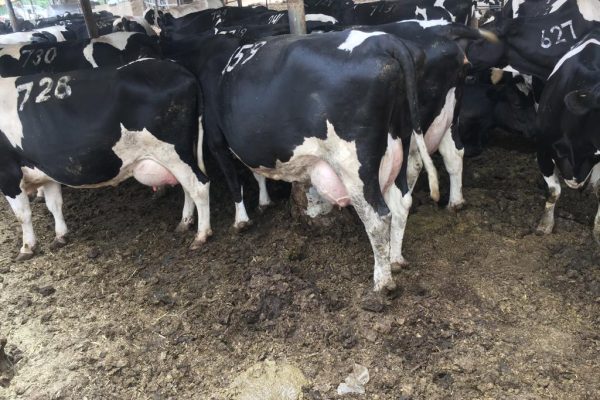
Dairy farming in Kenya has emerged as a lucrative venture, offering sustainable income and numerous opportunities for growth. The favorable climate, abundant natural resources, and a growing demand for dairy products make Kenya an ideal location for prospective dairy farmers. This article aims to provide a comprehensive guide for individuals aspiring to own and run a successful and profitable dairy farm in Kenya. Why Kenya for Dairy Farming: Kenya’s geographical and climatic conditions make it conducive for dairy farming. The country experiences consistent temperatures and receives sufficient rainfall, providing ample grazing land for dairy cattle. Additionally, the availability of diverse forage varieties allows for year-round feeding, ensuring continuous milk production. Kenya’s growing population and urbanization have contributed to an increasing demand for dairy products, creating a ready market for dairy farmers. Getting Started: 1. Research and Education: Before diving into dairy farming, conduct thorough research and seek education on best practices. Familiarize yourself with various breeds, feeding regimens, and disease control measures. Attend workshops and training sessions offered by agricultural institutions to enhance your knowledge.2. Selecting the Right Breeds: Choose dairy cattle breeds that are well-suited to Kenyan conditions. Friesian and Ayrshire breeds are popular choices known for their high milk production. Consider factors such as adaptability to local conditions, disease resistance, and reproductive capabilities. Infrastructure and Facilities:3. Quality Housing: Construct comfortable and well-ventilated housing for your dairy cattle. Adequate shelter protects them from adverse weather conditions and ensures optimal health and productivity. 4. Fodder and Grazing Land: Invest in quality grazing land and cultivate fodder crops. A well-managed pasture or forage system guarantees a steady and nutritious food supply for your dairy herd. Feeding and Nutrition:5. Balanced Diet: Formulate a balanced diet that includes a mix of forages, concentrates, and supplements. Consult with a nutritionist to ensure your dairy cattle receive the necessary nutrients for optimal milk production. Health and Disease Management: 6. Routine Veterinary Care: Establish a relationship with a qualified veterinarian for regular health check-ups and vaccinations. Timely disease prevention measures are essential for maintaining a healthy herd. Record Keeping and Financial Management: 7. Accurate Record Keeping: Maintain detailed records of your dairy farm operations, including breeding, calving, and milk production. Accurate records aid in monitoring performance and making informed management decisions. 8. Financial Planning: Develop a comprehensive financial plan that includes budgeting for operational expenses, healthcare, and infrastructure maintenance. Financial discipline is crucial for the long-term sustainability of your dairy farm. Marketing and Sales: 9. Establishing Market Connections: Build strong relationships with local milk processors, cooperatives, and retailers. Having reliable market connections ensures a consistent outlet for your dairy products. 10. Diversification: Explore opportunities for value addition, such as producing dairy products like cheese, yogurt, or butter. Diversifying your product range can enhance profitability and meet diverse consumer demands Conclusion: Embarking on a dairy farming venture in Kenya holds significant promise for those willing to invest time and effort. The favorable agricultural conditions, coupled with a rising demand for dairy products, create a conducive environment for success. By implementing the outlined guide, aspiring dairy farmers can navigate the complexities of the industry, establish a thriving dairy farm, and contribute to the flourishing dairy sector in Kenya.

Read Full News